15.2 Million Defective Houses: What Abuja Buyers Must Know to Avoid the Hidden Crisis
Welcome back to this week’s edition of Abuja Real Estate Insider, your trusted window into the strategies, trends, and bold ideas shaping Nigeria’s most dynamic property market.
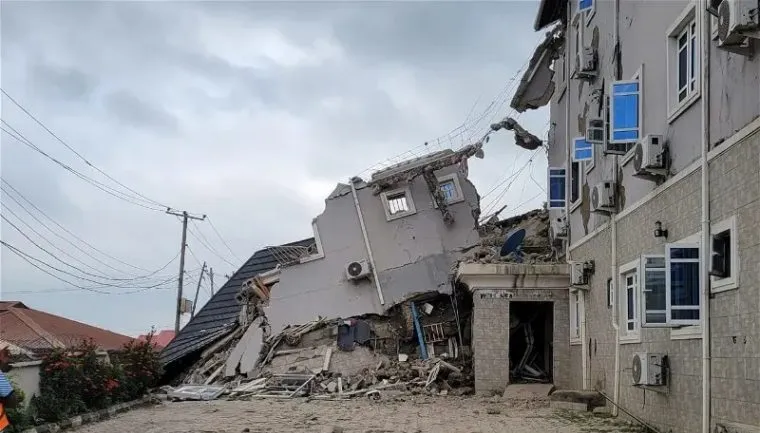
A bombshell revelation from Housing Minister Arc. Ahmed Dangiwa has shaken the industry: 15.2 million housing units across Nigeria are structurally defective. That’s not a typo, over 15 million homes with serious safety, quality, and durability issues that could cost billions to fix and put lives at risk.
In recent conversations, buyers are asking: “How do I know if what I’m buying or building won’t be one of them?” Behind the alarming headline lies critical intelligence for Abuja’s discerning market, one of structural failures, quality shortcuts, regulatory gaps, and actionable steps every buyer must take to protect themselves.
This week, the spotlight shifts from affordability pressures to the quality crisis: What the 15.2 million figure really means for Abuja buyers, why it’s happening right under our noses, and how to ensure your investment isn’t part of tomorrow’s liability.
What the 15.2 Million Crisis Really Means for Abuja
The minister’s revelation isn’t abstract, Abuja feels it acutely. As Nigeria’s premium housing market, the Capital Territory sees disproportionate attention from high-profile buyers, yet quality shortcuts persist even in upscale developments.
Key forces driving this crisis:
- Unregulated construction practices: Many projects bypass professional oversight, proper material specs, and compliance with building codes.
- Cost-cutting gone wrong: Substandard materials, poor workmanship, and corner-cutting foundations create ticking time bombs disguised as “modern homes.”
- Weak enforcement: Even allocated developments in planned districts sometimes deliver questionable structural integrity due to inadequate supervision.
The result? Buyers pay premium prices for properties that may require expensive remediation, or worse, pose safety risks to families. Abuja’s reputation as Nigeria’s “best” market makes this betrayal especially painful.
The Hidden Danger: “Premium Price, Substandard Quality”
Even in Abuja’s affluent districts, the quality crisis manifests differently but just as dangerously:
- Luxury estates with foundation cracks appearing within 2-3 years.
- “Smart homes” with shoddy electricals and plumbing hidden behind fancy finishes.
- Mass housing schemes where speed trumped engineering rigor.
Why the disconnect between price and quality?
- Developers chasing volume over standards to meet demand.
- Buyers prioritizing aesthetics and location over structural certification.
- Insufficient third-party verification during construction phases.
For Abuja investors, this isn’t theoretical, it’s a direct threat to capital preservation and family safety.
How Smart Abuja Buyers Protect Themselves from the Quality Crisis
Even knowing the risks, buyers can still make safe choices. Here are the non-negotiable principles:
1. Insist on Structural Certification at Every Stage
- Demand engineer-stamped approvals for foundation, columns, beams, and roof before proceeding.
- Require third-party quality audits at key milestones (not just developer self-certification).
- Verify material test certificates for concrete, steel reinforcement, and blockwork.
2. Prioritize Builders Over Brochures
Focus on:
- Track record of completed, defect-free projects (not just promises).
- Professional affiliations and verifiable references from past clients.
- Systems for on-site supervision, not just “experienced contractors.”
3. Build Your Personal Quality Checklist
Before handover, confirm:
- Soil test and foundation design certification.
- Compliance with National Building Code standards.
- 12-month structural warranty backed by insurance, if possible.
Smart buyers treat quality verification like a due diligence audit, not an optional extra.
Policy Shifts: Government Response to the Crisis
The minister’s revelation signals urgency. Abuja’s regulators are signaling:
- Stricter developer licensing tied to quality track records.
- Mandatory third-party inspections for government-backed and large-scale private projects.
- Digital tracking platforms for construction compliance and material provenance.
For proactive buyers, these reforms create opportunity:
- Early access to compliant projects with verified quality.
- Premium pricing for certified, defect-free developments.
- Reduced risk as enforcement tightens.
Where Platforms and Ecosystems Fit In
In this quality-conscious environment, structured delivery systems become more valuable than ever.
Recent editions have explored construction ecosystems that:
- Embed quality standards into every project phase.
- Connect buyers with certified professionals under unified frameworks.
- Provide verifiable documentation trails for materials, workmanship, and compliance.
Solutions like Homes on Demand™ illustrate this shift, not as a single solution, but as part of broader movement toward accountable, standardized delivery where quality becomes the baseline, not the exception.
Abuja’s future belongs to buyers who demand and developers who deliver structural integrity alongside location and design.
A Call to Action
If you’re buying, building, or investing in Abuja, the 15.2 million figure isn’t distant news, it’s your wake-up call.
Ask these critical questions before your next commitment:
- Does this developer have a verifiable track record of defect-free delivery?
- Can I see engineer certifications for foundation and structural elements?
- What quality assurance systems are in place beyond marketing promises?
Abuja remains Nigeria’s premier market precisely because its buyers can demand, and achieve higher standards. The quality crisis is real, but so is your power to avoid it.
Your journey into smarter real estate continues with Abuja Real Estate Insider. If this edition armed you with better questions and sharper instincts, share it with someone about to commit, save it as your quality checklist, and subscribe for next week’s insights.
The market rewards the prepared. Will your next property be an asset, or a liability?
Whether you’re looking to invest in a luxury apartment, a sprawling villa, or anything in between, I’m here with my team to guide you every step of the way. Contact me today for personalized guidance and exclusive investment opportunities.
