The Structural Gaps in Nigeria’s Housing Market
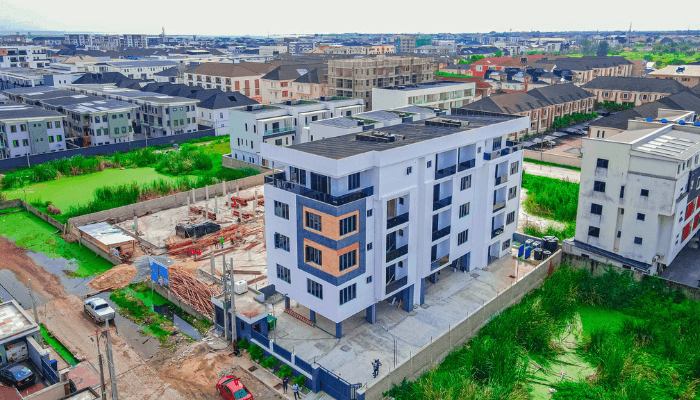
Nigeria does not have a housing problem because Nigerians do not want homes. Nigeria has a housing problem because the systems that deliver homes are structurally broken.
This distinction matters. For decades, conversations around housing in Nigeria have focused on numbers, housing deficits, unit counts, and population growth. But the real crisis lies deeper, in the architecture of the housing ecosystem itself. Until we confront these structural gaps, capital will hesitate, trust will remain low, and delivery will continue to fail.
Housing Is Treated as a Product, Not a System
In functional markets, housing is a system, integrating land administration, finance, infrastructure, construction, regulation, and consumer protection.
In Nigeria, housing is still treated as a standalone product. Developers build. Buyers hope. But the systems that ensure predictability, accountability, and delivery are weak or absent.
This leads to:
- Fragmented processes
- High delivery risk
- Uncertainty for buyers, especially the diaspora
Land Administration Remains a Structural Bottleneck
Land is the foundation of housing, yet it is also one of the most uncertain components of the Nigerian market.
Challenges include:
- Inconsistent documentation
- Lengthy approval timelines
- Informal transactions
- Weak digitization
This uncertainty increases cost, delays projects, and scares off institutional capital. A housing system cannot scale when land certainty is optional.
Housing Finance Is Not Designed for Scale
Mortgage penetration in Nigeria remains extremely low, not because Nigerians are unwilling to pay, but because financing structures are misaligned with income realities and delivery risk. Another consideration is that, the ethical mortgage options are largely unavailable.
Key gaps include:
- Limited long-term, affordable financing
- Limited ethical options
- Weak linkage between construction milestones and payment systems
- Lack of confidence in delivery timelines.
- No synergy between the price reality and the maximum funding limit
Without scalable finance, housing becomes a privilege instead of an engine for economic inclusion.
Trust Is the Biggest Invisible Gap
Perhaps the most damaging structural gap is trust.
Too many buyers, particularly Nigerians in the diaspora, have experienced:
- Delayed projects
- Incomplete homes
- Misrepresentation
- Poor accountability
When trust collapses, even good projects struggle. A market without trust cannot attract patient capital, diaspora participation, or long-term investment.
Infrastructure Is Still an Afterthought
Housing does not exist in isolation.
Power, roads, water, drainage, and digital connectivity are not “extras”, they are core components of value.
Yet many developments are still delivered without integrated infrastructure planning, pushing long-term costs to buyers and governments. This weakens sustainability and limits scalability.
The Absence of End-to-End Delivery Systems
In advanced housing markets, buyers interact with structured delivery systems, clear timelines, transparent pricing, milestone tracking, and post-delivery support.
In Nigeria, buyers often navigate:
- Multiple informal actors
- Manual updates
- Poor visibility into progress
This is not a capacity issue, it is a systems issue.
The Way Forward: From Projects to Platforms
Nigeria does not need more housing announcements. Nigeria needs housing infrastructure.
That means:
- Digitized land and approval systems
- Transparent, milestone-based delivery frameworks
- Payment systems aligned with construction progress
- Platforms that reduce risk for buyers and investors
This shift, from fragmented projects to integrated delivery platforms, is where the next generation of housing solutions must focus.
Why This Conversation Matters Now
Nigeria’s population growth, urbanization, and diaspora engagement present an enormous opportunity.
But opportunity without structure creates chaos.
The future of housing in Nigeria will be defined not by who builds the most units, but by who builds the systems that make delivery predictable, trusted, and scalable.
Final Thought
Housing is not just about shelter. It is about confidence. When systems work, people build. When systems fail, markets stall.
Fix the structure and the market will follow.


Whether you’re looking to invest in a luxury apartment, a sprawling villa, or anything in between, I’m here with my team to guide you every step of the way. Contact me today for personalized guidance and exclusive investment opportunities.
